Japandi Bathrooms: What the Wood Is Actually Doing
Timber in a bathroom is a material decision before it is a style one. Which species survive, how to seal them, and where wood is the wrong answer.
Japandi is often described as Japanese minimalism plus Scandinavian warmth, which is accurate and not very useful. In practice it comes down to three habits: fewer objects than feels comfortable, natural materials in a narrow range of tones, and a preference for low, horizontal furniture that leaves the walls quiet.
It is the least forgiving style on this site. With almost nothing in the room, everything that is there has to be right — proportion, finish, and the joinery you can see. It also rewards restraint in colour: warm greys, oatmeal, pale oak, black used sparingly as a line rather than a mass. Done well it is the calmest a room can be. Done carelessly it just looks unfurnished, and these posts are about the difference.
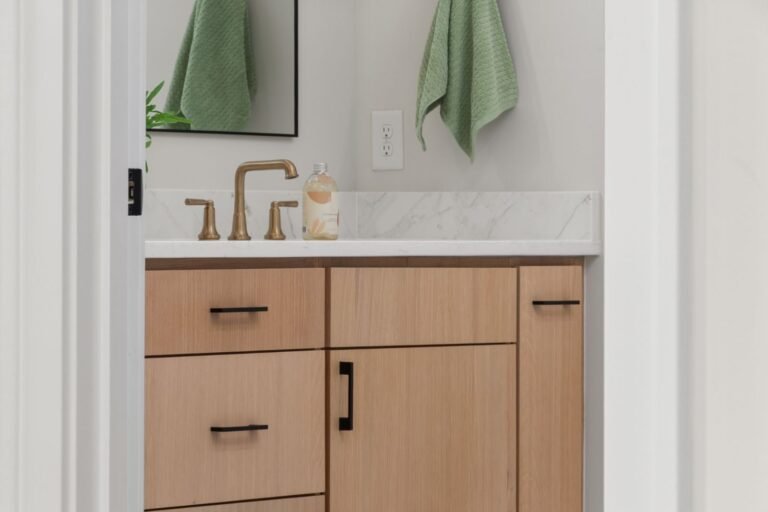
Timber in a bathroom is a material decision before it is a style one. Which species survive, how to seal them, and where wood is the wrong answer.
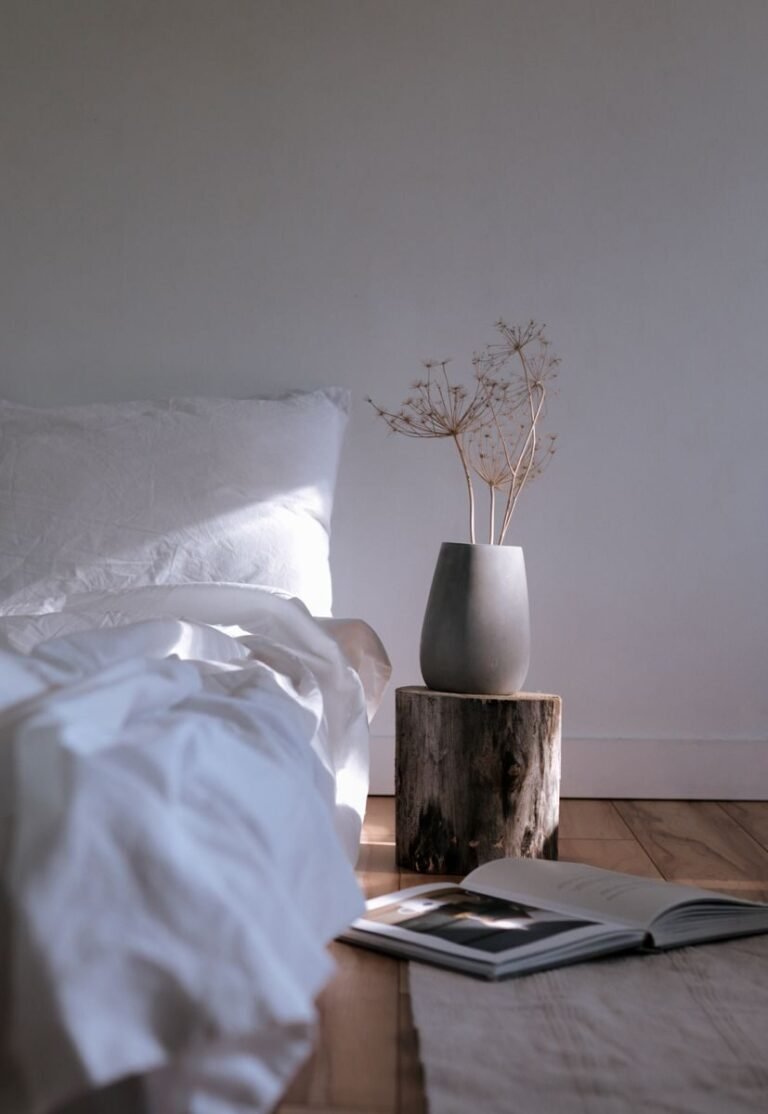
A standard headboard sits at the worst possible height. Going taller fixes the proportion problem most bedrooms have and costs less than new furniture.